AI briefing · source-grounded
Israeli Airstrikes Hit Al Mansouri, Southern Lebanon
July 24th, 2026 · By Conflict Signal
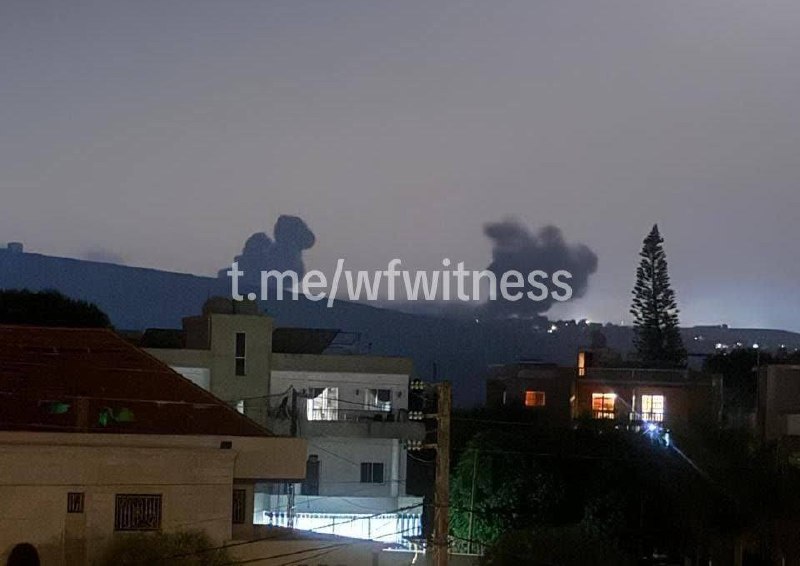
Two Israeli airstrikes struck Al Mansouri, a town outside Lebanon's southern security zone, on July 23, 2026. No casualties were reported, according to WF Wi…
Two Israeli airstrikes targeted the town of Al Mansouri, located outside the security zone of southern Lebanon, on 23 July 2026. The strikes were reported by the Telegram channel WF Witness, which noted that no fatalities or injuries were recorded.
What Is Known
- Event type: Airstrike
- Perpetrator: Israeli forces (as identified in the report)
- Location: Al Mansouri, a town situated just beyond the security zone that Israel maintains in southern Lebanon
- Date and time: 23 July 2026, reported at 20:22 UTC
- Casualties: None reported; both fatalities and injuries were listed as zero
- Source: WF Witness, a Telegram‑based outlet that publishes on‑the‑ground observations in the region
The report consists of a single statement: “Two Israeli airstrikes targeted the town of Al Mansouri outside the security zone of southern Lebanon.” No additional details—such as the type of munitions used, the specific targets within the town, or any response from Lebanese authorities—were provided.
Location and Context
Al Mansouri lies in the southern part of Lebanon, a region that has been the focus of intermittent cross‑border hostilities between Israel and Lebanon for decades. The security zone referenced in the report is a demarcated area that Israel established following the 2006 Lebanon war. The zone is intended to serve as a buffer that limits the operational reach of armed groups operating in southern Lebanon, particularly Hezbollah.
While Al Mansouri is described as being *outside* this zone, its proximity to the border means that it remains within the broader area of strategic interest for both sides. Historically, towns just beyond the security zone have occasionally been subject to surveillance, artillery fire, or airstrikes when either side perceives a threat or seeks to deter activity they consider hostile.
The broader Israel‑Lebanon conflict has seen periodic escalations, often triggered by incidents such as rocket launches, border incursions, or intelligence‑driven strikes. In recent years, both sides have employed a mix of conventional and precision‑guided weapons, though the specific capabilities used in any given strike are typically confirmed only after independent verification.
Casualties and Immediate Impact
According to the WF Witness report, the airstrikes resulted in no fatalities or injuries. The absence of reported casualties suggests that either the strikes were aimed at non‑populated targets, that any potential damage was limited, or that the timing of the attacks coincided with a period of low civilian presence.
No information was provided regarding property damage, infrastructure impact, or displacement of residents. Likewise, there were no statements from local authorities, humanitarian agencies, or other media outlets included in the initial report.
Corroboration and Sourcing
The sole source cited for the incident is WF Witness, a Telegram channel that aggregates on‑the‑ground observations in the Israel‑Lebanon border area. Telegram channels are frequently used by local observers to disseminate real‑time information, but they can vary in terms of verification standards.
At the time of writing, no additional outlets—including regional news agencies, international wire services, or official government statements—have independently confirmed the airstrikes. The lack of corroboration means that the details of the incident remain limited to the initial report.
Given the reliance on a single source, analysts typically treat such reports as preliminary and await further verification. In past instances, WF Witness reports have been both confirmed and, on occasion, revised after additional evidence emerged.
What Remains Unconfirmed
Several key aspects of the Al Mansouri airstrikes have not been verified:
- Exact targets: The report does not specify whether the strikes were directed at military installations, suspected weapons caches, or other infrastructure.
- Weapon systems used: No information is available on the type of aircraft, missiles, or munitions employed.
- Response from Lebanese authorities: There has been no official comment from the Lebanese Ministry of Defense, the Lebanese Armed Forces, or local municipal officials.
- International reaction: No statements from the United Nations Interim Force in Lebanon (UNIFIL), the United Nations Security Council, or foreign ministries have been reported.
- Verification by additional media: As of now, no other news organizations have published parallel accounts or visual evidence (e.g., photographs, video footage) of the strikes.
- Potential civilian impact beyond casualties: While no injuries were reported, the extent of property damage, disruption to utilities, or psychological effects on the local population remain unknown.
Further information may emerge as journalists on the ground, humanitarian groups, or official sources provide updates. Until such corroboration is available, the incident should be understood as a reported event with limited confirmed details.
---
Sources: WF Witness (Telegram)